Your agronomist and vet, on your phone.
Works on WhatsApp. Send a photo or voice note to +1 510 365 3928 and get an answer.
Tell it what's wrong with your crop or your animals. Send a photo or talk to it. It answers briefly, with steps you can take today, and with science-based advice.
Message on WhatsAppor use it in your browserTelegram
Or tap a question and get an answer right away:
By asking, you accept how we use your data.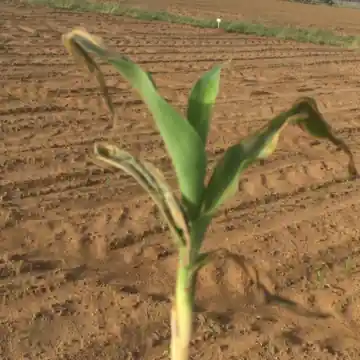 We had hail yesterday and the maize looks like this. Will I lose it?7:42
- If new green leaves come out of the centre, the plant is alive.
- Split a plant lengthwise: if the centre is white or pale yellow and firm, it's healthy. If it's brown and soft, it's lost.
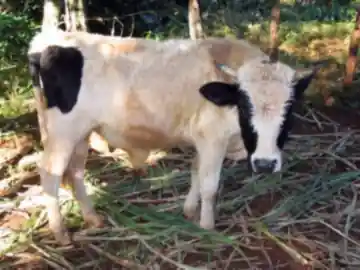 This calf eats chopped sugarcane but isn't gaining weight, and its coat is rough.16:05
- Look at its gums and the inside of its eyelid. If they're pale, it may have a heavy parasite load: ask the vet which dewormer to use.
- Add something with protein to the cane: leucaena or gliricidia leaves, or a little oilseed cake if you can get it.
Example conversation
Ask the way you would ask an extension officer.
If it isn't sure, it asks you one or two questions before answering.
Crops
- My cocoa pods have black spots
- When should I plant beans this year?
- There are caterpillars in the whorl of my maize
Animals
- My cows have ticks, what do I do?
- A calf has had diarrhea since yesterday
- The hens stopped laying
Soil, water and weather
- How much should I water my tomatoes?
- My soil is very acidic, what do I correct it with?
- Will the summer be dry for the pasture?
How a question works.
Describe the problem
In writing, with a photo or a voice message. Whatever is easiest.
It asks what's missing
Since when, how much of the field or herd is affected, where the farm is.
It looks at your field
Recent rainfall, soil, altitude and satellite images, only when needed.
It tells you what to do
Two or three concrete steps. If you don't have the input, it finds an alternative with what you have.
With your field's location, it sees more.
Share your location while standing in the field, or name the village or district. It uses this data only when it helps with your question.
- Rain and temperature
- How much it rained, dry spells, heat or humidity that favour disease, and the week's forecast.
- Coming months
- Whether the season is expected to be drier or wetter than normal, to plan planting and water or fodder reserves.
- Soil
- Estimated acidity, organic matter and texture for your area.
- Altitude
- It matters for choosing varieties, timing and disease risk.
- Crop vigour
- How green the field has been over recent months, seen from satellite.
These are estimates from maps and models. For precise fertilizing, nothing replaces a soil test.
Science-based advice.
The advice comes from peer-reviewed articles and extension guides. If it can't find a reliable source, it tells you and suggests who to ask.
No recipes from memory: doses, products and withdrawal times only when a study backs them up.
Every answer tells you where the information comes from, so you can check it.
What you should know.
It doesn't replace the vet
It guides you, but gives no definitive diagnoses or antibiotic prescriptions. If it suspects a notifiable disease, such as foot-and-mouth or rabies, it will tell you to isolate the animals and alert your country's animal health service right away.
Your data is yours
It keeps your messages, photos and field location to give you better advice. They are used for research without your name or number. Type DELETE in the chat and everything is erased.
What's happening on your farm today?
Ask your first question. It takes less time than a trip to town.
Message on WhatsApp